
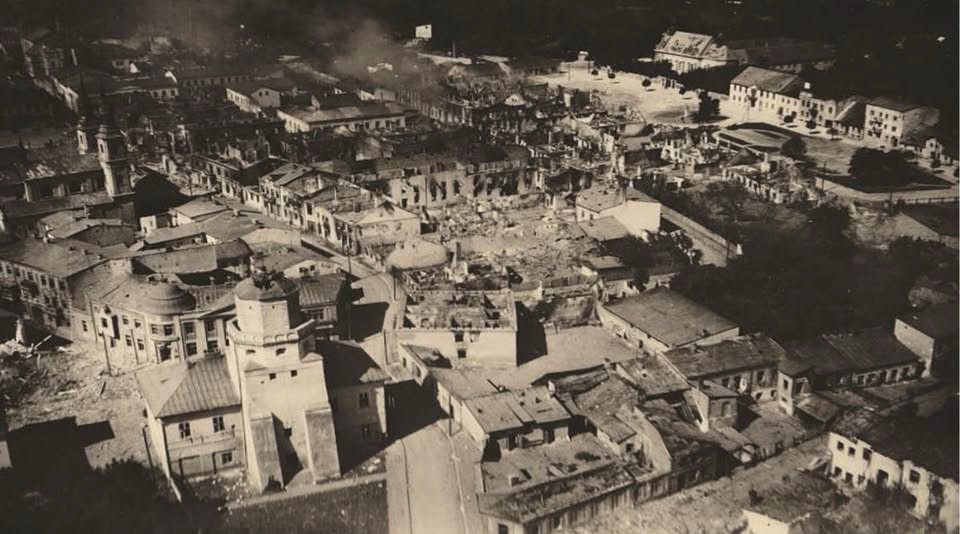
On 23 July 1951, the Provincial Court in Warsaw sentenced SS General Jürgen Stroop to death for his crimes committed during the German occupation of Poland, including the brutal destruction of the Warsaw Ghetto in 1943.
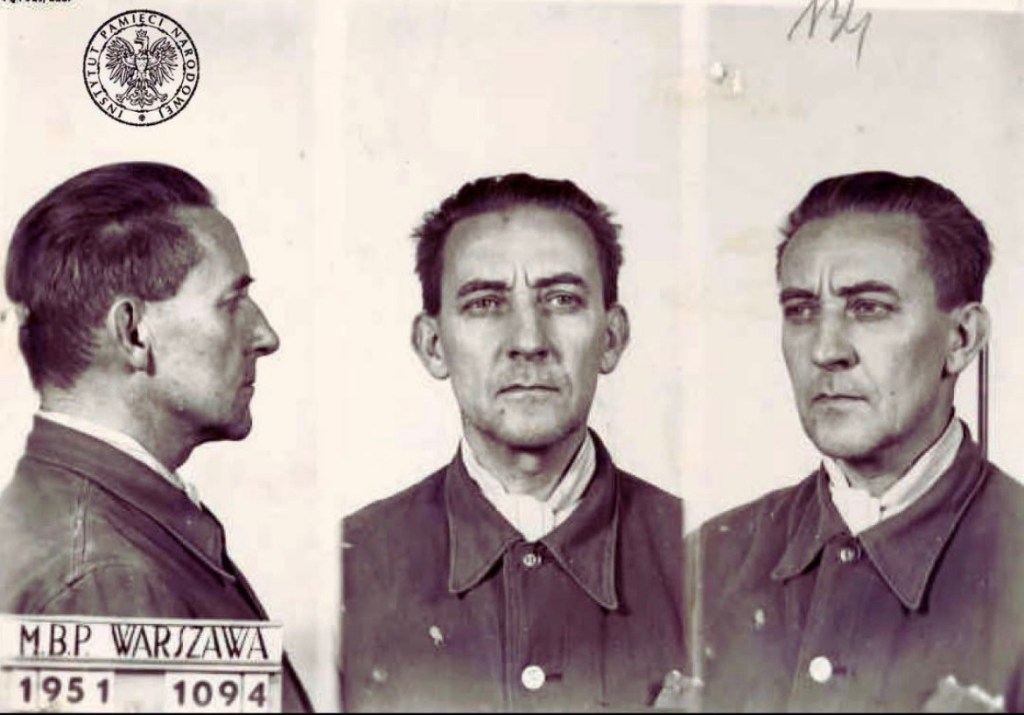
During the trial, which began on 18 July 1951, Stroop showed no remorse. He denied personal responsibility, claiming that as an officer of the Third Reich he had merely carried out orders. Witnesses recalled his cold, arrogant and emotionless behaviour throughout the proceedings.
Stroop was executed by hanging on 6 March 1952 at Mokotów Prison on Rakowiecka Street in Warsaw.
Before his extradition to Poland, Stroop had been captured by American forces in Bavaria on 8 May 1945. In 1947, a U.S. military tribunal in Dachau sentenced him to death for ordering the murder of nine American prisoners of war. That sentence was never carried out, as the United States transferred him to Poland to stand trial for his crimes against the Polish people.
One of the most remarkable chapters of this story is that Stroop shared a prison cell in Mokotów with Kazimierz Moczarski—a hero of the Polish Home Army (Armia Krajowa), who, after the war, had been imprisoned by the communist regime. Their conversations became the basis of Moczarski’s acclaimed book Conversations with an Executioner, one of the most insightful psychological portraits ever written of a Nazi war criminal.
Justice came too late for the hundreds of thousands of innocent victims, but Stroop’s trial remains an important reminder that those responsible for crimes against humanity can and should be held accountable.
We remember the victims. We remember the truth.
Text: Polish Sue
Foto: IPN

 Polish Sue
Leave a comment