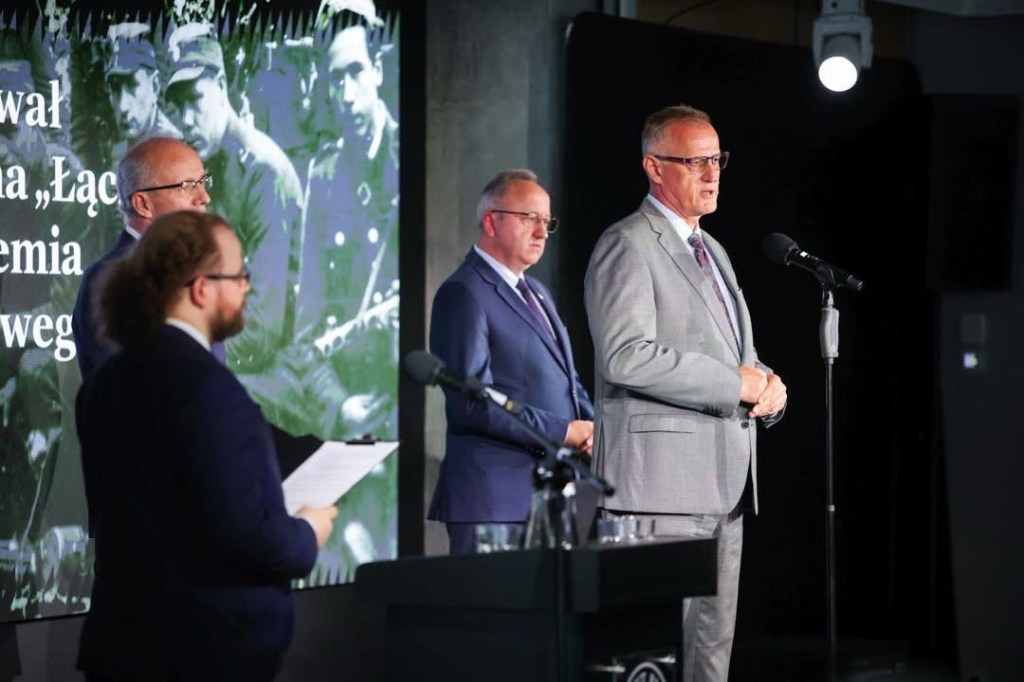
24 July 2026 marks another historic milestone in Poland’s efforts to restore the truth about the victims of communist terror. During a press conference at the Centralny Przystanek Historia IPN in Warsaw, the Institute of National Remembrance (IPN) announced the identification of the remains of Mieczysław Dziemieszkiewicz “Rój”, one of the most renowned commanders of the National Military Union (Narodowe Zjednoczenie Wojskowe – NZW) and a symbol of the post-war struggle for a free and independent Poland.
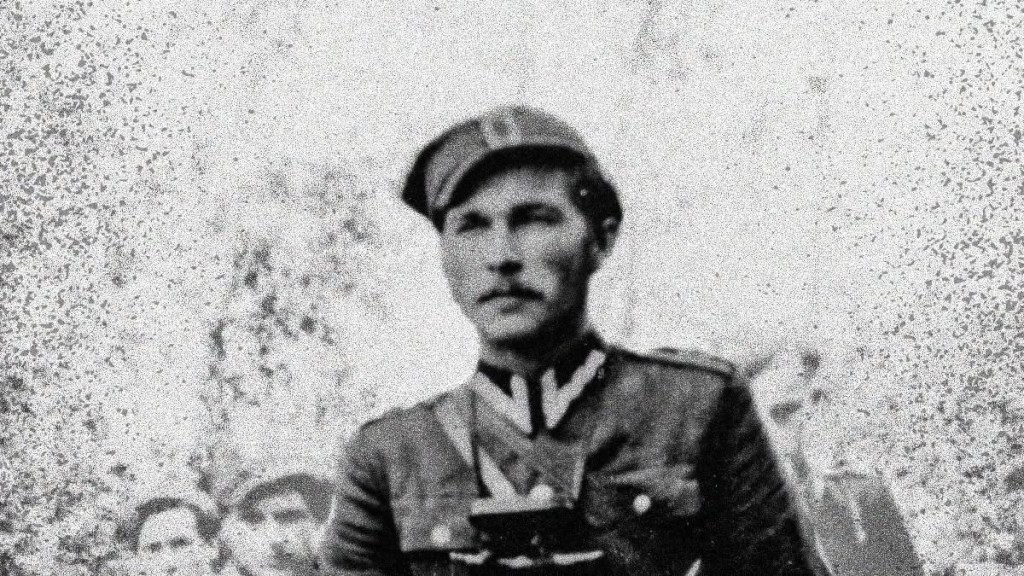
The announcement was made after many years of painstaking work involving historians, prosecutors, archaeologists, anthropologists and forensic geneticists.
“We have found ‘Rój’”
Announcing the breakthrough, IPN Deputy President Prof. Karol Polejowski said:
“We have found ‘Rój’. After decades of searching, we have restored not only his name, but also the truth about one of the commanders of the anti-communist independence underground.”
These words reflect the wider mission of the Institute of National Remembrance: not only to identify the victims of totalitarian regimes, but to restore their dignity, biographies and rightful place in Poland’s national memory.
A Soldier Who Refused to Surrender
Mieczysław Dziemieszkiewicz belonged to the generation of Polish patriots who refused to accept Soviet domination after the defeat of Nazi Germany in 1945.
Following the death of his older brother Roman, an officer of the National Armed Forces (NSZ) who was killed by the Red Army, Dziemieszkiewicz deserted the communist-controlled Polish Army and joined the anti-communist underground.
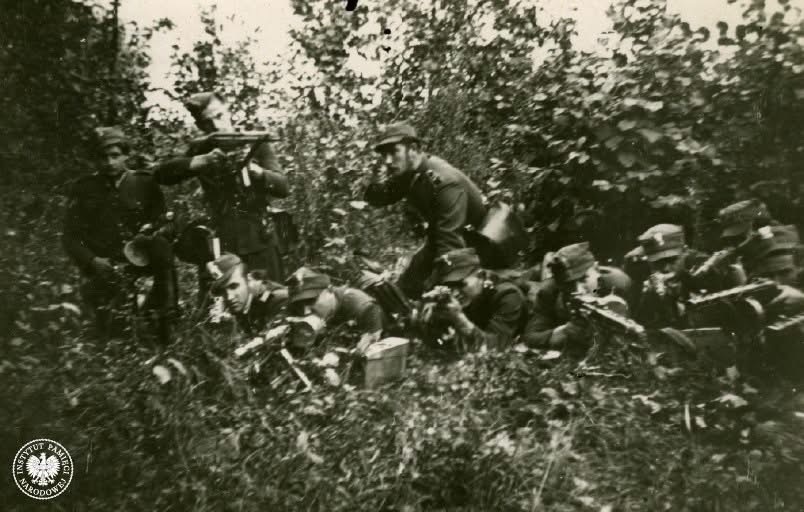
Operating across northern Mazovia, he became one of the most effective commanders of the National Military Union. Despite increasingly aggressive operations by the communist security services and repeated amnesties intended to dismantle the resistance, his unit continued fighting until 1951.
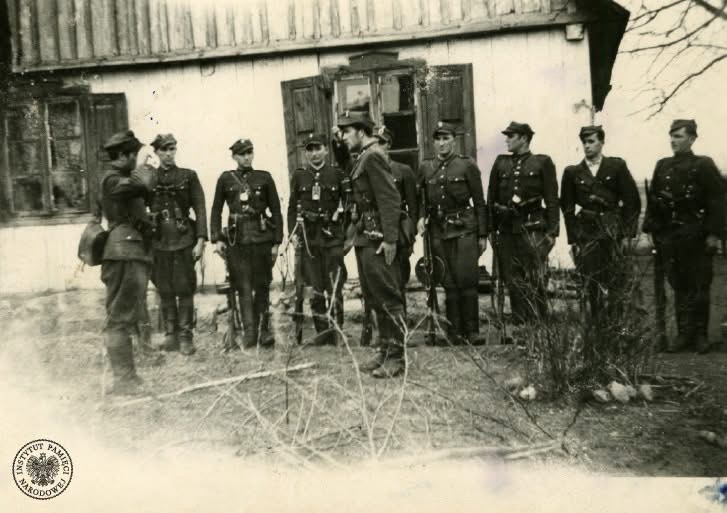
His unwavering commitment to Poland’s independence is best captured in his own words:
“I consider the struggle for a Great Poland to be my greatest duty. I will die before I betray.”
Seventy-Five Years of Silence
During the night of 13–14 April 1951, “Rój” was killed near the village of Szyszki, close to Pułtusk, during a large-scale operation conducted by the Internal Security Corps (KBW), the communist Security Office (UB) and the Citizens’ Militia (MO).
After his death, his body was photographed, subjected to forensic examination and shown to members of his family for identification before being secretly buried in Warsaw.
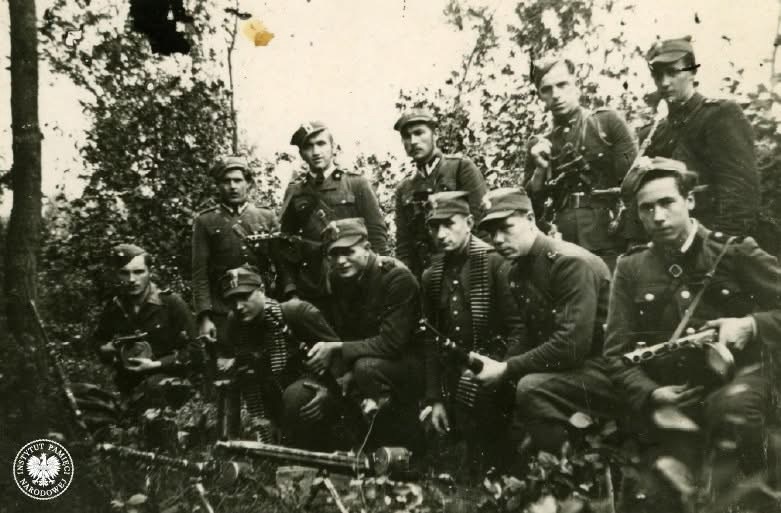
Like thousands of other members of Poland’s anti-communist underground, his burial place remained unknown for decades. The communist authorities intended not only to eliminate their opponents physically but also to erase them from the nation’s memory.
Science Restores Identity
The identification of “Rój” was the result of years of interdisciplinary research.
The breakthrough came during archaeological excavations at the famous “Ł” section of Warsaw’s Powązki Military Cemetery, where investigators discovered a military eagle insignia among the exhumed remains.
After conservation work, experts recognised striking similarities between the insignia and the eagle visible on the black beret worn by Dziemieszkiewicz in post-mortem photographs taken by the communist security services in 1951.
This discovery prompted prosecutors to expand the genetic investigation. DNA comparisons with the exhumed remains of Dziemieszkiewicz’s mother and sister ultimately confirmed the identity beyond doubt.
Restoring Poland’s Forgotten Heroes
The identification of Mieczysław Dziemieszkiewicz is another major achievement in the long-term work of the IPN’s Search and Identification Office (Biuro Poszukiwań i Identyfikacji IPN).
Since excavations began at the “Ł” section of Powązki Cemetery, the remains of nearly eighty victims of communist terror have been recovered from this site alone. Across Poland, hundreds of victims of both Nazi German and communist repression have now been identified through the combined efforts of historians and forensic specialists.
Each successful identification represents much more than a scientific accomplishment. It restores a name to the nameless, dignity to those deliberately stripped of it, and historical truth to future generations.
For families who waited decades without knowing where their loved ones had been buried, these discoveries finally bring answers. For Poland, they reaffirm the importance of remembering those who continued to fight for freedom long after the Second World War had officially ended.
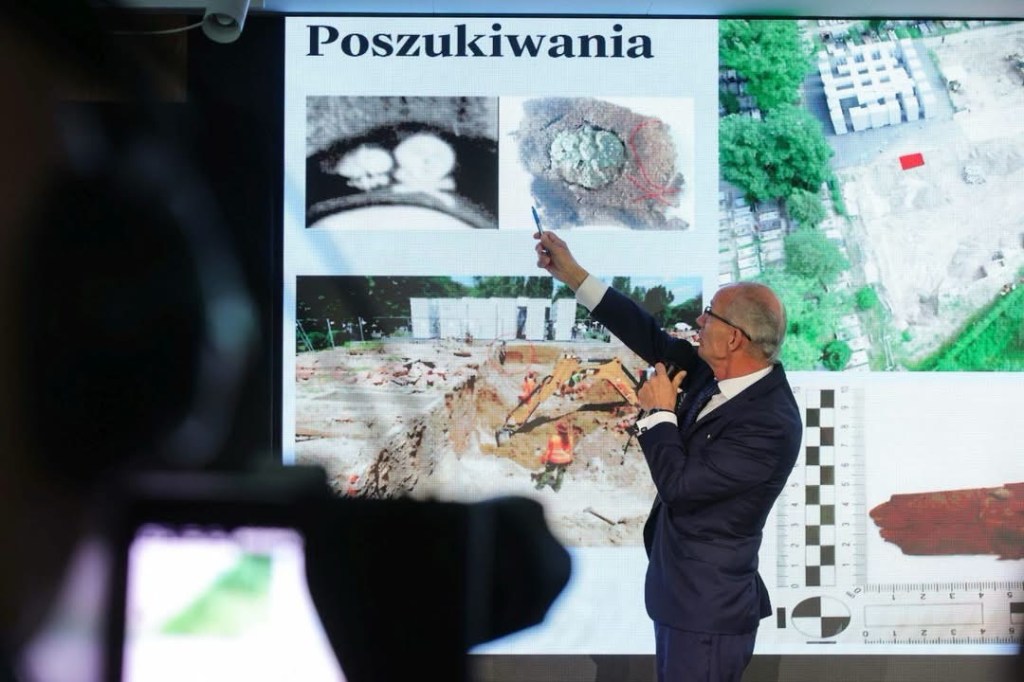
The story of Mieczysław Dziemieszkiewicz “Rój” reminds us that history is not only preserved in archives – it is also recovered from the earth, piece by piece, through determination, scholarship and respect for those who sacrificed everything for their country.
We remember🇵🇱
Text: Polish Sue
Sorce: Institute of National Remembrance (IPN), Search and Identification Office (Biuro Poszukiwań i Identyfikacji IPN).
Foto: IPN

 Polish Sue
Leave a comment