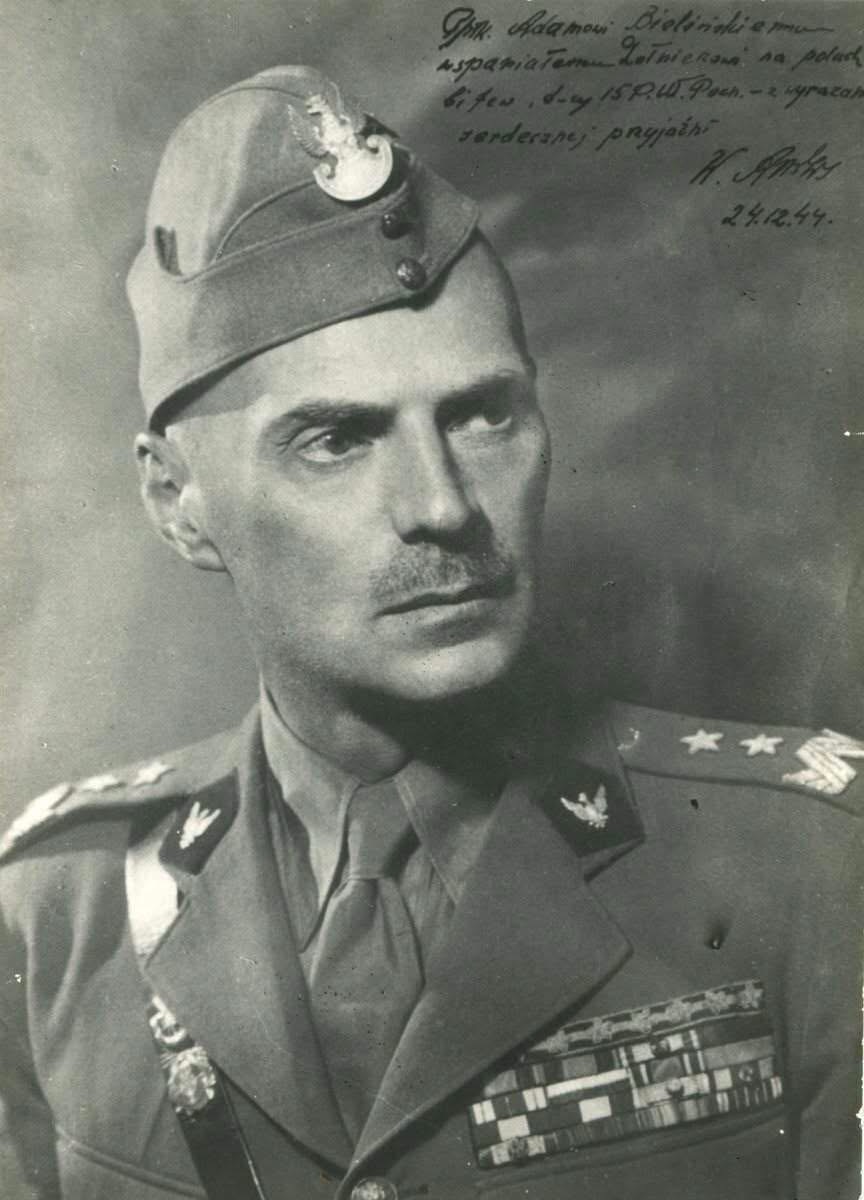
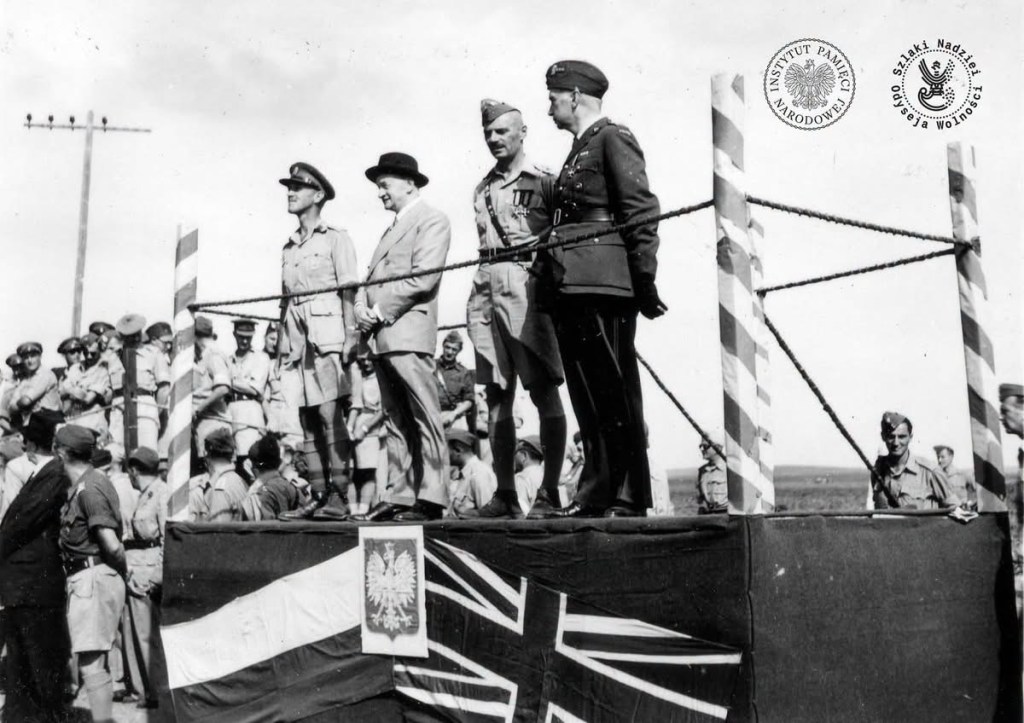
21 July 1943 marks the 83rd anniversary of the formation of the Polish II Corps, one of the most distinguished military formations in the history of the Polish Armed Forces during the Second World War. Created from the Polish Army in the East by decision of the Commander-in-Chief, General Władysław Sikorski, the Corps was placed under the command of General Władysław Anders, whose leadership would become synonymous with courage, sacrifice and an unwavering commitment to a free Poland.
The creation of the II Corps represented far more than a military reorganisation. It was the culmination of an extraordinary journey that had begun with the liberation of thousands of Polish citizens from Soviet labour camps following the Sikorski–Mayski Agreement. Soldiers and civilians alike endured unimaginable hardship before finding refuge in the Middle East, where they rebuilt their strength and prepared to continue the fight against Nazi Germany.
From the Middle East to the Italian Campaign
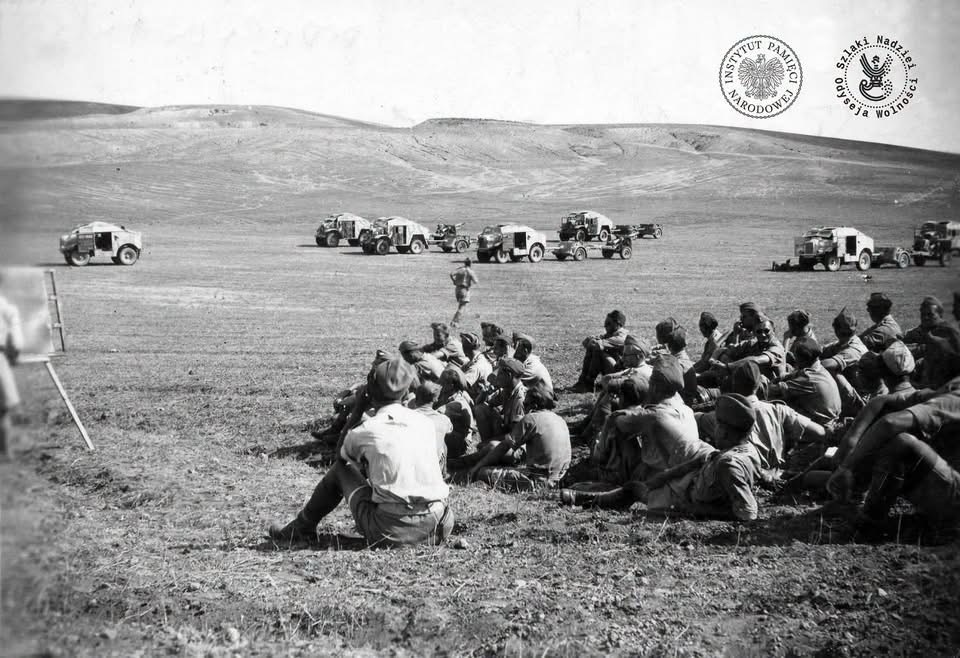
During the summer of 1943, the Polish II Corps was transferred to Palestine for further training before moving to Egypt later that year. At the turn of 1943 and 1944, the Corps was transported to Italy, where it became part of the British Eighth Army.
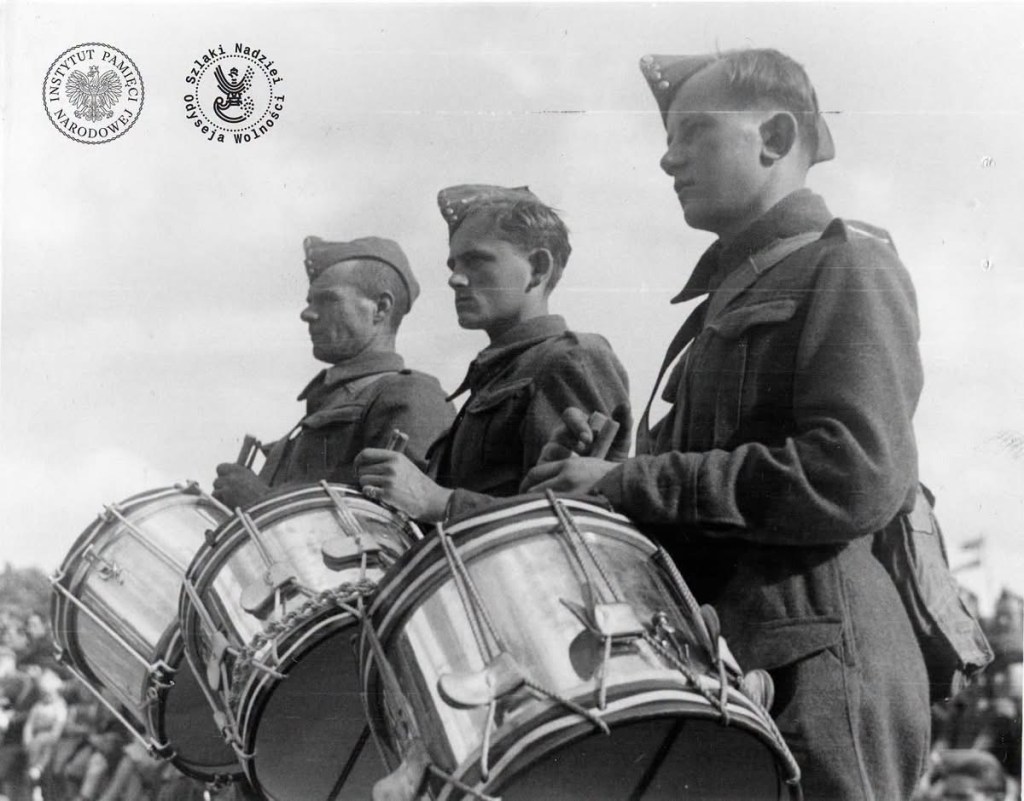
For the first time during the war, Polish forces fought in Italy as an independent operational formation under Polish command. Their greatest test came during the Battle of Monte Cassino, one of the most difficult and costly battles of the Italian Campaign.
On 18 May 1944, after days of fierce fighting against heavily fortified German positions, Polish soldiers raised the white-and-red Polish flag over the ruins of the monastery on Monte Cassino. The victory became one of the defining symbols of Polish courage during the Second World War and remains an enduring part of Poland’s national memory.
A Trail of Victory
The achievements of the Polish II Corps did not end at Monte Cassino.
The Corps went on to capture the strategic port of Ancona, played a key role in breaking through the German Gothic Line, fought in the rugged terrain of the Emilian Apennines, and concluded its wartime campaign with the liberation of Bologna in April 1945.
Throughout these campaigns, the ranks of the Corps continued to grow. Thousands of Poles from Silesia, Pomerania and Greater Poland, who had been forcibly conscripted into the German Wehrmacht, joined the Polish ranks after being captured by Allied forces. By the end of the war, these former prisoners of war formed a significant part of the Polish Armed Forces in the West.
A Difficult Peace
Victory did not bring freedom to Poland.
At the end of the war, soldiers of the Polish II Corps faced an agonising choice: remain in exile or return to a homeland dominated by the Soviet-backed communist regime.
Many who returned encountered persecution, surveillance and discrimination from the communist authorities. Others remained abroad, where they became guardians of Poland’s independence traditions and ambassadors of Polish history across the world. For decades under communist rule, the history of General Anders’ army was deliberately suppressed and omitted from official narratives.
“We Will Continue the Fight”
During the dedication of the Polish War Cemetery in Bologna, General Anders reminded his soldiers that their mission did not end with the battlefield:
“Today our nation continues its difficult struggle, resisting Soviet domination. Our nation looks to us because it knows that only we, in exile, are able openly to fight for true and genuine freedom. We shall not betray that trust. We will continue to fight under all circumstances—even without weapons—wherever fate may take us.”
These words became a moral commitment for generations of Polish veterans living in exile.
A Living Legacy
Today, the legacy of the Polish II Corps lives on through the Polish war cemeteries in Italy, the story of Wojtek the Soldier Bear, the timeless song “The Red Poppies on Monte Cassino”, and through the families of veterans who continue to preserve Poland’s history around the world.
Their descendants remain active in promoting Polish culture, education and historical remembrance, ensuring that the sacrifice of the Polish II Corps will never be forgotten.
As we commemorate the 83rd anniversary of the formation of the Polish II Corps, we honour not only its remarkable military victories but also its enduring commitment to freedom, dignity and the values for which its soldiers fought.
Lest We Forget.
Text: Polish Sue
Source: Institute of National Remembrance (IPN)
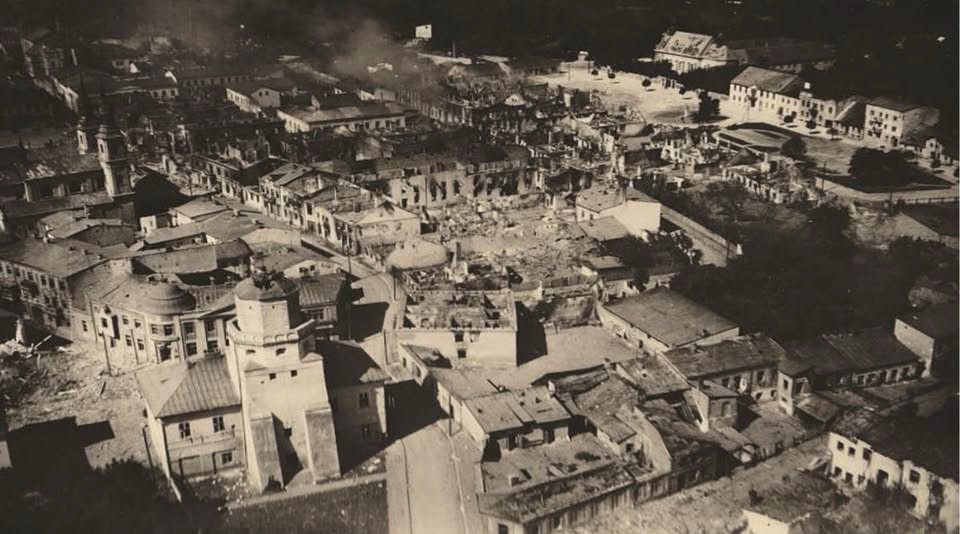
Foto: IPN

 Polish Sue
Leave a comment